

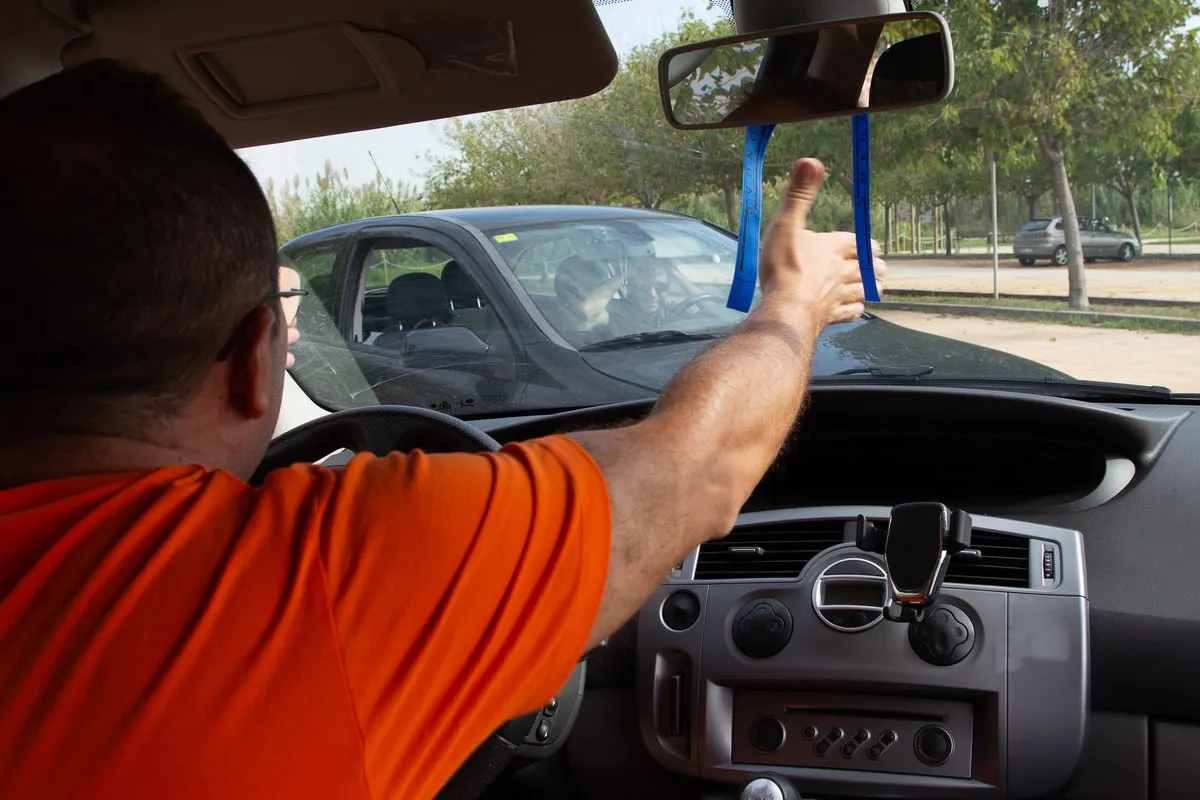

Road rage transforms an ordinary drive into a dangerous encounter when a driver’s anger crosses the line from frustration to deliberate violence. Unlike typical traffic accidents caused by distraction or negligence, road rage incidents involve intentional acts designed to intimidate, threaten, or harm other drivers on Florida’s roads.
At Amanda Demanda Injury Lawyers, we understand the unique challenges victims face when proving intentional harm in road rage cases. Our seasoned personal injury attorneys have handled numerous aggressive driving claims throughout Florida, helping clients secure compensation when another driver’s criminal behavior caused serious injuries. We know how to demonstrate an accident resulted from deliberate actions rather than simple carelessness, which can significantly impact the outcome of your case.
What Separates Road Rage From Aggressive Driving
The National Highway Traffic Safety Administration defines road rage as an intentional assault with a motor vehicle or weapon that occurs on or stems from a roadway incident. This definition highlights the critical distinction between aggressive driving and road rage. Aggressive driving involves traffic violations like speeding or tailgating, but road rage escalates into criminal behavior with a clear intent to harm.
The Intent Element
Intent separates a traffic violation from a criminal offense. When a driver deliberately rams another vehicle, forces someone off the road, or exits their car to physically confront another motorist, they have crossed into road rage territory. The driver is no longer trying to reach their destination quickly but actively attempting to punish or injure someone else. Florida law recognizes this distinction by treating aggressive driving as a traffic offense while addressing road rage through criminal statutes like assault, battery, and reckless endangerment.
Common Road Rage Behaviors That Indicate Intent
Certain behaviors clearly demonstrate a driver’s intent to cause harm rather than simple carelessness. These actions show deliberate targeting of another motorist. Road rage behaviors that indicate intentional harm include the following:
- Deliberately ramming or sideswiping: When a driver intentionally makes contact with another vehicle, damage patterns, vehicle positioning, and eyewitness accounts often reveal the purposeful nature of the collision.
- Brake-checking: Slamming on the brakes in front of another vehicle to cause a rear-end collision demonstrates malicious intent, especially when done repeatedly or without a legitimate traffic reason.
- Forcing vehicles off the road: Drivers who aggressively swerve toward other vehicles or block lanes to prevent passage show clear intent to control or endanger others.
- Exiting the vehicle to confront: Leaving a vehicle at a stoplight or on the roadside to threaten or physically attack another driver moves beyond driving behavior into direct assault.
These actions share a common thread of deliberate targeting. The driver makes conscious decisions to engage in dangerous behavior aimed specifically at another person rather than simply driving recklessly.
Gathering Evidence to Prove Intentional Harm
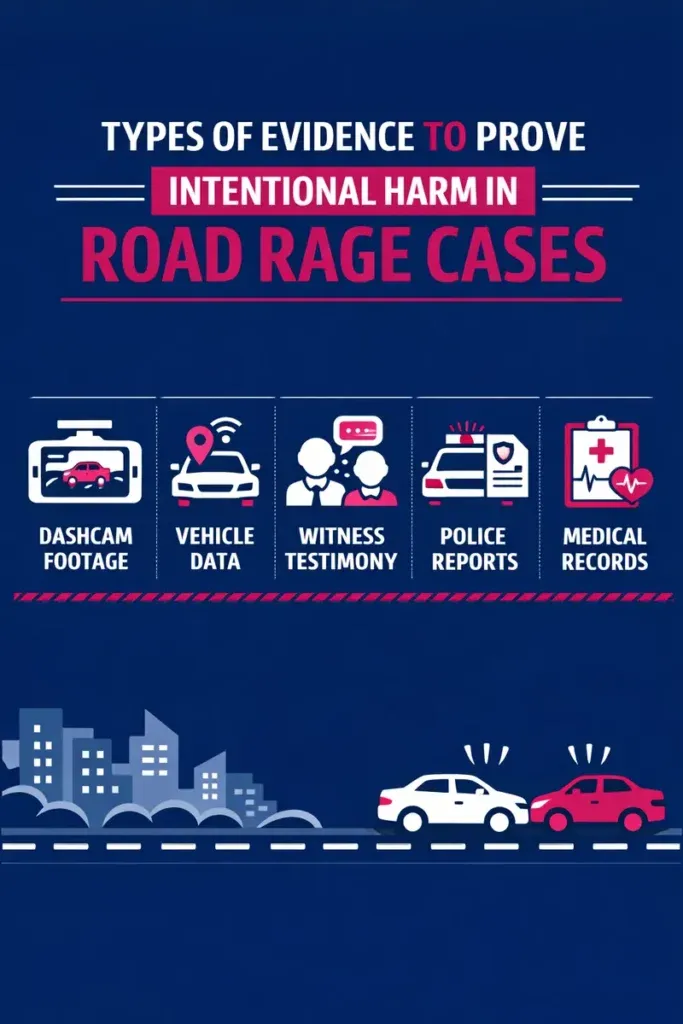
Establishing intent in road rage cases requires comprehensive evidence collection. Dashcam footage provides objective documentation of the incident, capturing the aggressive driver’s actions and the sequence of events leading to the collision. Modern vehicles also store electronic data that can reveal sudden acceleration, hard braking, or erratic steering patterns consistent with intentional acts.
Witness testimony becomes particularly valuable in road rage cases. Other motorists who observed the aggressive behavior can confirm the driver’s actions were targeted and deliberate. Their accounts often include details about threats, gestures, or prior interactions that demonstrate escalating anger. Police reports document the scene and any statements made by the aggressive driver, while medical records showing the severity of injuries help establish the dangerous nature of the intentional conduct.
Legal Differences Between Negligence and Intentional Torts
Most car accident cases involve negligence, where a driver fails to exercise reasonable care. Road rage cases often involve intentional torts, a higher legal standard that can lead to greater compensation. Intentional tort claims must demonstrate the driver acted with purpose or knowledge that their conduct would cause harm.
This distinction matters because intentional acts may fall outside standard insurance coverage, affecting how you pursue compensation. It also opens the door to punitive damages, which are designed to punish especially egregious behavior and deter similar conduct. The burden of proof differs between criminal and civil cases as well. While prosecutors must prove guilt beyond a reasonable doubt in criminal court, in civil cases, they only need a preponderance of the evidence.
Contact Amanda Demanda Injury Lawyers for Your Road Rage Case
Attorney Amanda Demanda has earned recognition as a Super Lawyer and was named one of the top 10 female personal injury attorneys by Attorney and Practice Magazine in 2022. Our team knows how to thoroughly investigate road rage incidents, working with accident reconstruction experts and gathering the evidence needed to establish deliberate conduct. Learn more about our approach to personal injury representation and how we fight for maximum compensation for our clients.
If another driver’s intentional actions caused you harm, you deserve aggressive legal representation. Contact Amanda Demanda Injury Lawyers today for a free consultation to review your case, explain your legal options, and help you pursue the full compensation you deserve for your injuries, lost wages, and pain and suffering.
Back to Blog