

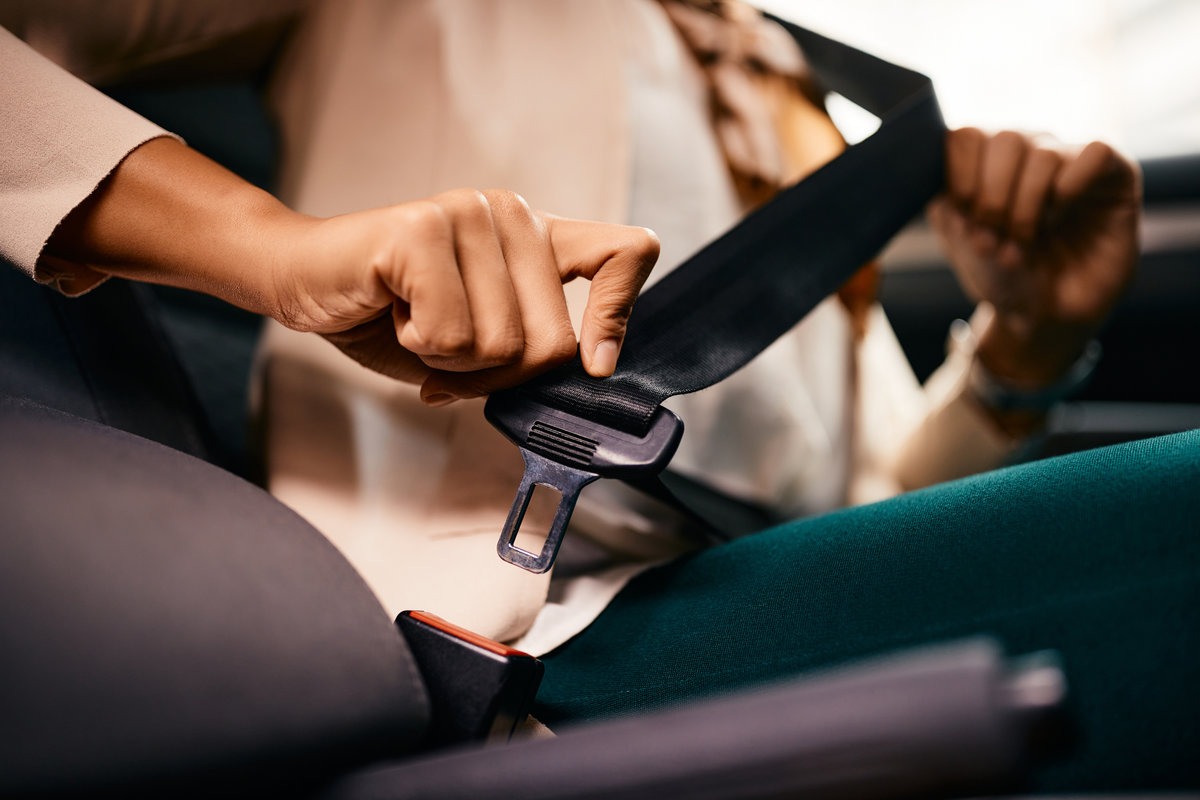

Not wearing a seatbelt at the time of a car accident is one of the first things an insurance company will try to use against you. It is a common tactic, and many injury victims walk away from valid claims because they assume that failing to buckle up means they have no case at all. In Texas, that assumption is wrong.
Texas law allows injured people to recover compensation even when they were not wearing a seatbelt at the time of a crash, but there are important limitations that every accident victim needs to understand. Amanda Demanda Injury Lawyers represents car accident victims throughout Houston and across Texas, helping them navigate exactly these kinds of legal obstacles. If you were hurt in a crash and were not belted in, speaking with a Texas car accident attorney as soon as possible can make a significant difference in your outcome.
Texas’s Modified Comparative Fault System
Texas follows a legal doctrine known as modified comparative fault, which means that multiple parties in an accident can each be assigned a percentage of responsibility for what happened. Your ability to recover compensation depends on where your share of fault lands.
The 51 Percent Rule
Under Texas Civil Practice and Remedies Code § 33.001, an injured person can recover damages as long as their percentage of fault does not exceed 50 percent. If a jury finds that you were 51 percent or more responsible for your own injuries, you are barred from recovering anything at all. If your fault is at 50 percent or below, you can still recover, but your total compensation will be reduced by your percentage of fault.
This means that not wearing a seatbelt does not automatically disqualify you from a claim. What it does is give the defense an argument for assigning you a share of the fault, which in turn reduces what you can recover. How much that reduction amounts to depends on the specific facts of your case, the nature of your injuries, and how effectively your attorney challenges the defense’s argument.
How the Seatbelt Defense Works in Texas
Texas Transportation Code § 545.413 requires front seat occupants to wear seatbelts. When a plaintiff was not wearing one at the time of a crash, the at-fault driver’s insurance company will often argue that the plaintiff’s injuries were made worse, or were entirely caused, by their failure to buckle up.
What Insurance Companies Argue
The defense argument typically focuses on injury causation rather than accident causation. In other words, the other driver may have caused the crash, but the insurer will argue that the severity of your injuries is partly your own fault because a seatbelt would have reduced them. According to the Texas Department of Transportation, wearing a seatbelt reduces the risk of dying in a crash by 45 percent for front seat passengers in cars and by 60 percent for those riding in pickup trucks, data that insurers will not hesitate to place in front of a jury.
This is why the seatbelt defense can genuinely reduce a claim’s value, even if it does not eliminate the claim entirely. Successfully countering this argument requires demonstrating that many of the same injuries would have occurred even with a seatbelt on, or that other factors contributed more substantially to the severity of the harm.
Factors That Affect Your Recovery
Not every injury claim involving a seatbelt violation will result in the same outcome. Several key variables influence how much fault a court might assign to the injured party and how that fault ultimately affects compensation.
What Can Influence Fault Allocation
The type and location of your injuries matter significantly. If your injuries are consistent with what would be expected regardless of seatbelt use, such as internal injuries from impact forces, the defense’s argument weakens considerably. Crash reconstruction experts and medical professionals can provide testimony about whether a seatbelt would have meaningfully changed your outcome.
The circumstances of the crash also play a role. A driver who runs a red light at high speed and T-bones your vehicle will have a very difficult time arguing that a seatbelt would have prevented all of your injuries in that type of collision. Texas courts look at the totality of the evidence, and fault percentages are rarely as cut-and-dried as an insurance adjuster will suggest in their initial assessment. For a deeper look at how fault is evaluated in Texas accidents, our guide on determining fault in Texas crashes covers the key principles at play. Our breakdown of what happens when both parties share fault also walks through how these scenarios typically unfold in practice.
Damages You Can Still Pursue
Even if your fault percentage is raised by the seatbelt defense, the range of damages available to you remains the same. What changes is the dollar amount after the percentage reduction is applied.
Recoverable damages in a Texas car accident claim can include past and future medical expenses, lost wages and diminished earning capacity, physical pain and suffering, emotional distress, and any long-term impact on your quality of life. In cases involving egregious misconduct, punitive damages may also be available. Accepting an early settlement offer from an insurer before understanding the full value of your claim is one of the most common and costly mistakes injury victims make, particularly in cases where the defense has raised a seatbelt argument to artificially lower the offer. Our blog on why you should never accept the first insurance offer explains why holding firm often leads to a significantly better result.
Contact Amanda Demanda Injury Lawyers After a Texas Car Accident
A seatbelt violation does not end your right to compensation, but it does create a real legal challenge that requires experienced representation to overcome. At Amanda Demanda Injury Lawyers, Attorney Amanda Demanda, a National Trial Lawyers Top 40 Under 40 honoree, and Managing Partner Miriam Fresco Agrait, a Board Certified Civil Trial Attorney with over 14 years of experience and a Martindale-Hubbell AV Preeminent Rating, lead a team that has secured results including a $43 million jury verdict for a seriously injured client.
Our Texas personal injury team knows how to push back against the seatbelt defense and fight for the full compensation you deserve. Reach out through our contact form to schedule a free consultation today.
Back to Blog