


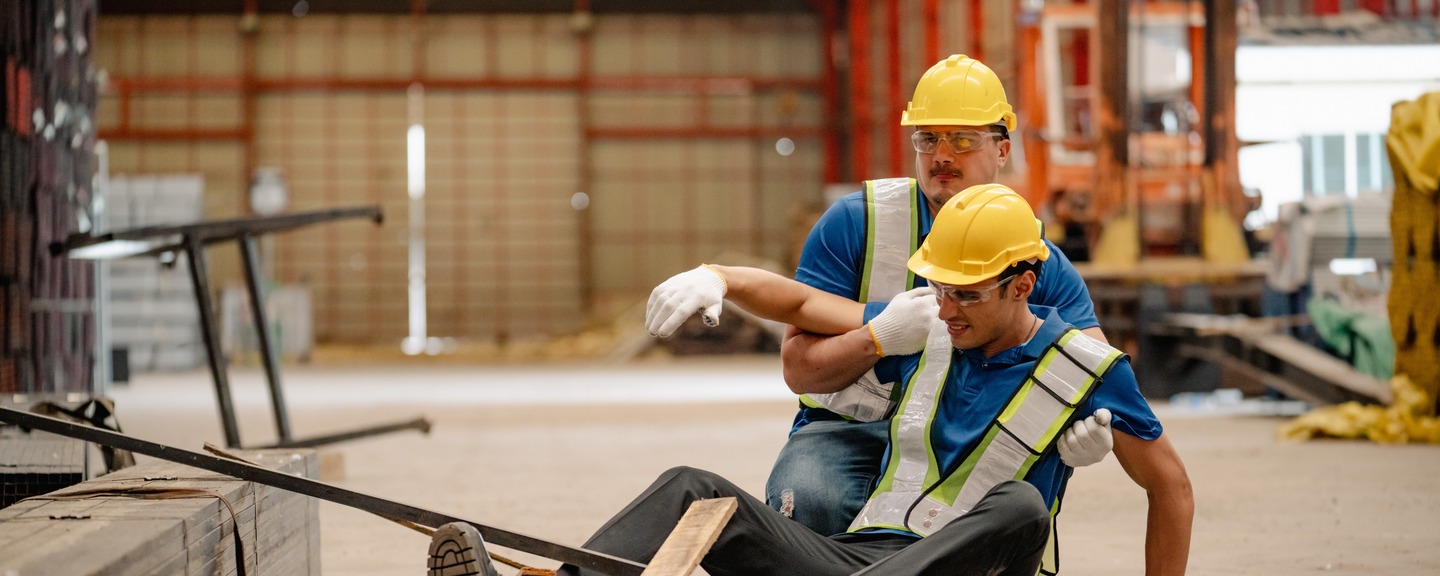

When you clock in for a shift at a construction site, warehouse, or delivery route in Houston, you expect a paycheck, not a stack of medical bills and a claim denial. Yet across Texas, a surprising number of employers skip workers’ compensation coverage altogether, leaving injured employees to wonder where to turn next.
At Amanda Demanda Injury Lawyers, we help Houston workers pursue every avenue of compensation available to them, whether that means a claim against a non-subscribing employer or a lawsuit against a negligent third party. We know the confusion and financial strain a workplace injury can cause, and we’re here to make sure you understand every option on the table.
Why Some Texas Employers Skip Workers’ Compensation
Unlike most states, Texas does not require private employers to carry workers’ compensation insurance. Businesses that opt out are called non-subscribers, and according to the Texas Department of Insurance, roughly 25% of private-sector employers statewide chose non-subscriber status in 2022, with small employers opting out at even higher rates. That means a meaningful share of the Houston workforce has no guarantee of no-fault medical or wage benefits if they get hurt on the job.
When your employer is a non-subscriber, you lose the protections that come with the workers’ compensation system, but you also gain something back. Non-subscribing employers cannot rely on the traditional defenses that limit an injured worker’s recovery in a comp claim, which means you may be able to pursue a full negligence lawsuit directly against your employer. This route can allow for broader damages, including pain and suffering, that workers’ comp benefits never cover. If you are not sure whether your employer carries coverage, our team can help you find out and explain what that means for your case.
Filing a Claim Against a Non-Subscribing Employer
If we determine your employer does not carry coverage, we build your case around ordinary negligence principles rather than the no-fault comp system. We investigate the premises liability angle of your workplace, whether that involves unsafe scaffolding, poor lighting, or missed safety inspections, and we gather documentation showing your employer knew or should have known about the hazard.
We also look closely at how your injury happened. A forklift accident, a fall from height, or repetitive strain from years of physical labor can all point to specific safety failures. Because these claims proceed like standard personal injury lawsuits, we pursue full compensation for your medical care, lost income, and pain and suffering rather than the capped benefits a comp claim would provide. Reach out to our team as soon as possible after your accident so we can begin building this evidence while it is still fresh.
Pursuing a Third-Party Claim
Even when your employer does carry workers’ compensation, you are not always limited to that system alone. If someone outside your employer, such as a subcontractor, equipment manufacturer, property owner, or another driver, contributed to your injury, you may have a separate claim against that party.
We frequently see this in cases involving truck accidents on job sites, defective tools or machinery, and injuries caused by contractors who are not your direct employer. Common examples include a delivery driver struck by a negligent motorist, a warehouse worker injured by faulty equipment, or a technician hurt on a job site controlled by another company. These third-party claims run alongside any workers’ compensation benefits you receive, so you are not forced to choose between the two. Let us review the details of your accident so we can identify every party who may share responsibility.
What Compensation Can Look Like Outside the Workers’ Comp System
Pursuing compensation outside workers’ compensation opens the door to damages that the comp system simply does not provide. Depending on your case, this may include:
- Pain and suffering: Compensation for the physical pain and emotional toll of your injury, which workers’ comp benefits do not cover.
- Full lost wages: Recovery for your complete income loss, not the partial wage replacement typical of comp claims.
- Future medical needs: Coverage for ongoing treatment, therapy, or long-term care tied to your injury.
- Loss of earning capacity: Compensation if your injury limits your ability to work the same job or hours going forward.
Every case is different, and the value of your claim depends on the severity of your injury, the strength of the evidence, and whether one or more parties share responsibility. We build each case around the specific facts of what happened to you rather than a one-size-fits-all formula, and we encourage you to speak with our team before accepting any settlement offer.
Cases That Often Involve Non-Comp Compensation
We regularly represent Houston workers whose injuries point toward compensation outside the traditional comp system, including those tied to wrongful death claims when a workplace accident proves fatal, and product liability cases involving defective tools, machinery, or safety equipment. We also handle injuries from unsafe conditions on job sites we do not control, where a general contractor or property owner bears responsibility rather than your direct employer.
Identifying every liable party takes a thorough investigation into your workplace, your employer’s insurance status, and the equipment or people involved in your accident. That groundwork often determines whether you recover partial comp benefits or the full value of a negligence claim, so don’t hesitate to bring us your questions no matter how early in the process you are.
Let Amanda Demanda Injury Lawyers Review Your Workplace Injury Case
Amanda Demanda has built her career on aggressively pursuing full compensation for injured clients, including a $43 million verdict in a catastrophic accident case. She and her team understand how Texas’s unique non-subscriber system affects your options, and we will walk you through every path available to you after a workplace injury.
You do not have to figure out whether workers’ compensation applies to your situation on your own. Contact us today for a free consultation, and let us help you pursue the full compensation you deserve.
Back to Blog