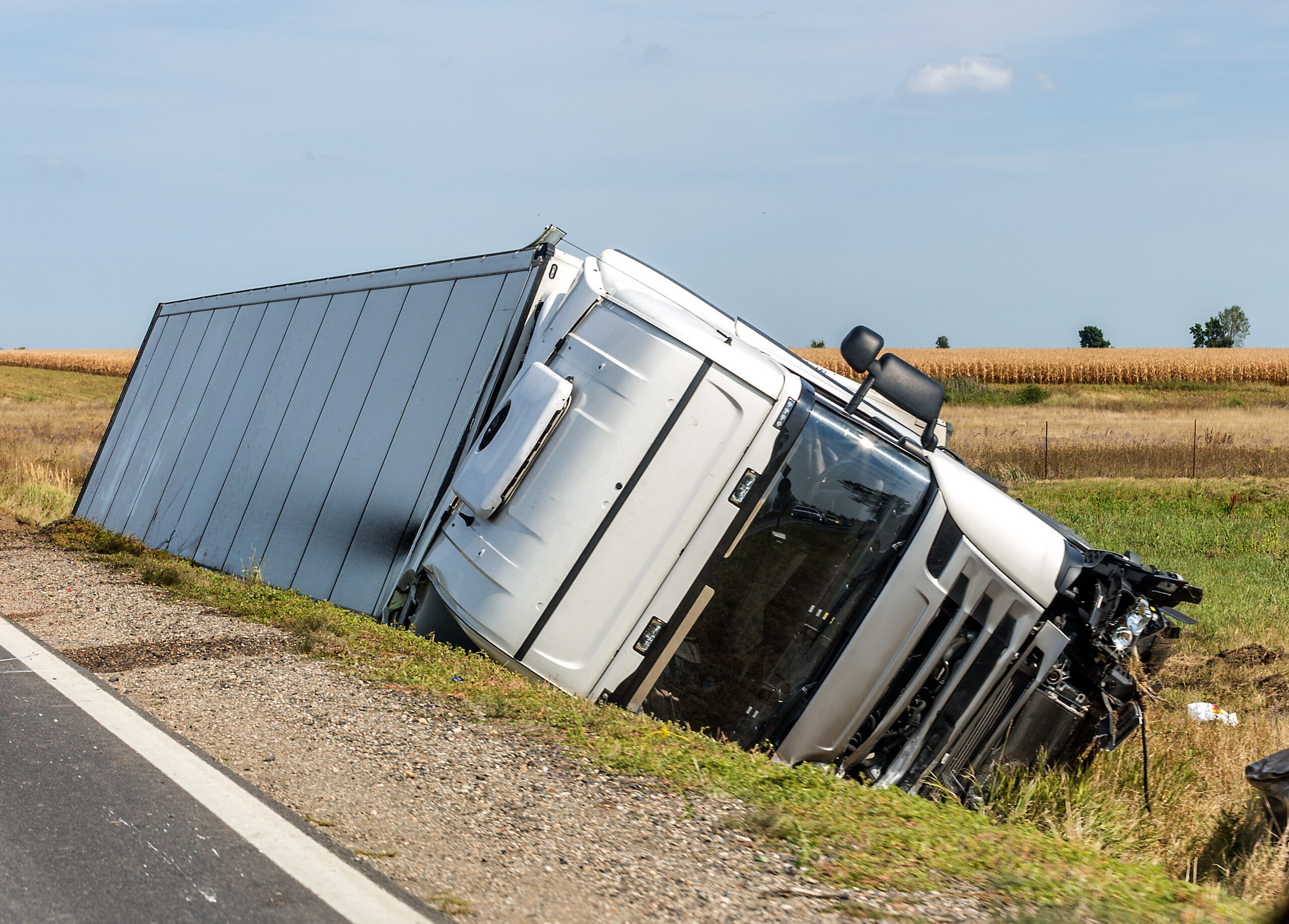





A single moment on I-10 can turn a routine drive into a life-altering event. One second you are watching brake lights ahead, and the next a fully loaded semi-truck has closed the gap faster than you could react. The confusion afterward, the ringing in your ears, the stranger asking if you’re okay, can make even simple decisions feel impossible.
Amanda Demanda Injury Lawyers has spent years helping people in this exact position sort out what to do next, and understanding the steps that follow a Houston truck accident can protect both your health and your ability to recover compensation. What you do in the minutes, hours, and days after a crash on I-10 often shapes how the rest of your case unfolds.
Why I-10 Is Especially Dangerous For Truck Crashes
I-10 runs directly through the Houston metro area and carries a steady stream of commercial freight moving east to west across the Gulf Coast. Merging traffic, frequent lane changes, and long stretches of dense congestion during peak commuting hours create conditions where a fully loaded tractor-trailer has little room to react.
Harris County consistently records more commercial motor vehicle crashes than any other county in Texas, and I-10’s urban segments through Houston are frequently cited among the most crash-prone stretches for tractor-trailers in the state. When a vehicle weighing 80,000 pounds is involved in a collision, the physics rarely favor the passenger car.
Immediate Steps After The Crash
The first few minutes after a truck accident are disorienting, but a few deliberate actions can make a meaningful difference later. If you are able to move safely, get to the shoulder or a nearby exit ramp to avoid a secondary collision, since I-10’s high speeds make a stopped vehicle in an active lane extremely dangerous.
Call 911 right away, even if injuries seem minor. A responding officer’s crash report becomes one of the most important documents in your case, and it creates an official record of the time, location, and parties involved. According to the Federal Motor Carrier Safety Administration, large trucks and buses are involved in a significant share of fatal and injury crashes on U.S. roadways each year, which is part of why these reports carry so much weight in a claim.
Documenting The Scene
Once you are safe and emergency responders are en route, documentation becomes the priority. Photos and notes taken at the scene often carry more weight than memories reconstructed weeks later, especially once insurance adjusters get involved.
A few actions can help preserve evidence before it disappears or gets cleaned up:
- Photograph vehicle positions, skid marks, road signage, and any visible damage from multiple angles
- Write down the trucking company’s name, the truck’s USDOT number, and the driver’s contact and insurance information
- Get names and phone numbers for any witnesses who saw the crash happen
- Note the exact location on I-10, including nearby exits or mile markers
This information becomes far harder to gather once the vehicles are towed and traffic reopens, so acting quickly matters.
Get Medical Care Even If You Feel Fine
Adrenaline can mask serious injuries for hours or even days after a crash. Whiplash, internal bleeding, and concussions do not always announce themselves immediately, which is why seeking medical attention right after the accident, even when you feel mostly normal, creates a documented link between the crash and your injuries.
Insurance companies frequently look for gaps between the date of the accident and the first medical visit as grounds to dispute a claim. A prompt visit to an emergency room or urgent care removes that argument before it can be made and gives your medical team a baseline to track how your condition develops.
Handling Insurance Companies And Legal Steps
Commercial trucking companies typically carry much higher insurance policies than personal vehicles, which means their insurers often respond quickly and aggressively to protect those funds. An adjuster may call within days asking for a recorded statement or offering a fast settlement, but these early conversations can work against you before you know the full extent of your injuries.
Truck accident claims are also more complex than typical car accident cases because liability can extend beyond the driver. The trucking company, a cargo loader, or a maintenance provider may share responsibility depending on what caused the crash, and each of these relationships requires its own investigation.
Contact Amanda Demanda Injury Lawyers After a Truck Accident on I-10 in Houston
A truck accident on I-10 can leave you facing medical bills, lost income, and an insurance company that is already working to minimize what you are owed. Amanda Demanda Injury Lawyers has represented injured Texans across Houston and Harris County, and our team understands how to investigate commercial trucking crashes, from driver logs to company safety records, to build a complete picture of what happened. Attorney Amanda Demanda has been recognized among the National Trial Lawyers Top 40 Under 40 and named Litigator of the Year, and our firm has secured results for clients including a $43 million jury verdict.
We work on a contingency fee basis, so you owe nothing unless we recover compensation on your behalf. Our bilingual team is ready to walk you through every step of the process in English or Spanish. If you were hurt in a truck accident on I-10, reach out today to discuss your case during a free consultation.
Back to Blog