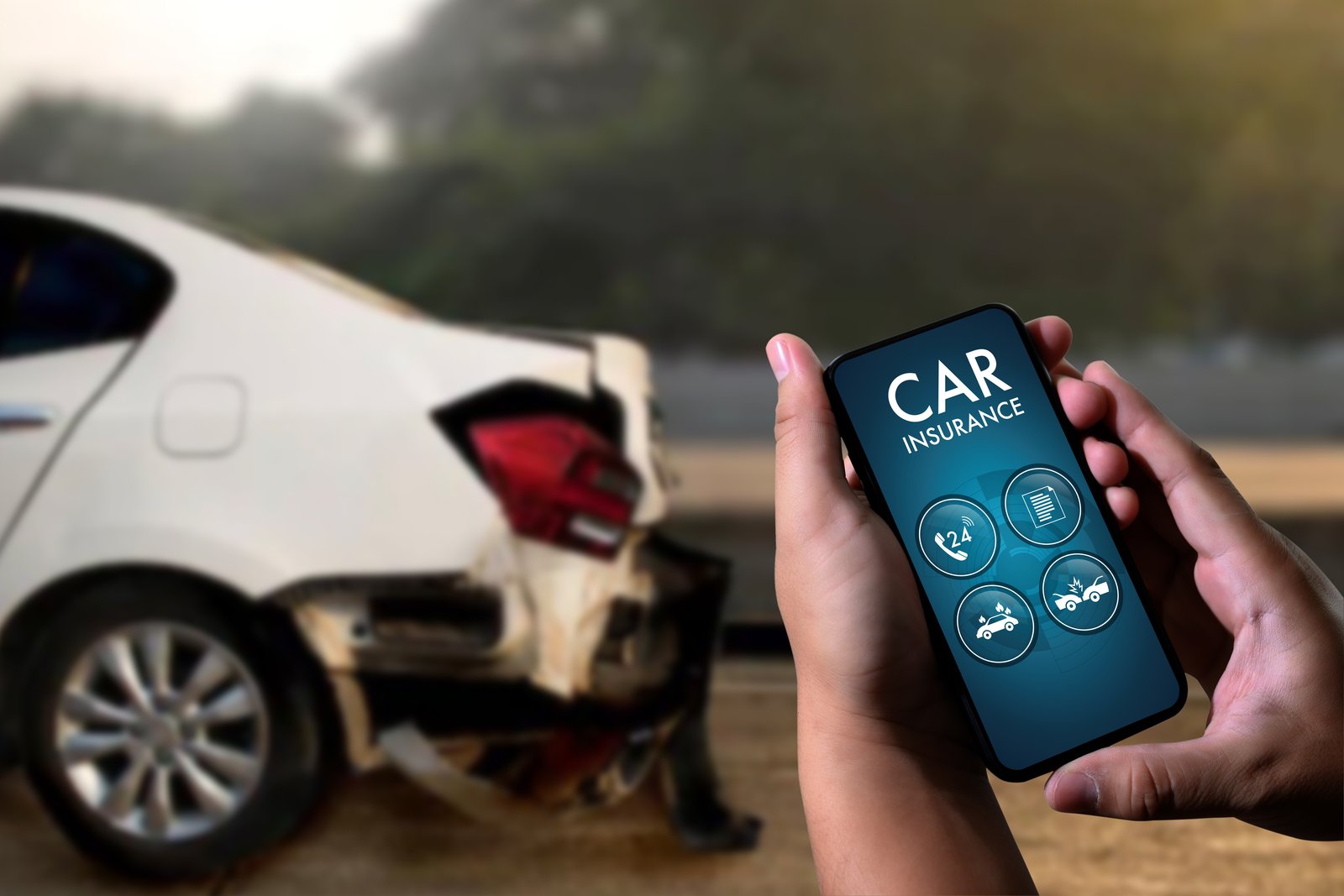










A crash with an intoxicated driver can leave you with serious injuries, mounting medical bills, and a case that moves on two separate tracks at once: the criminal DWI case brought by the State, and your own civil claim for what you have lost. If you were hurt by a driver who was intoxicated anywhere in Texas, you are not required to wait for a conviction, a plea, or even a criminal charge before you pursue compensation. Insurance adjusters, though, often contact injured people within days, and early statements and quick offers can limit a claim before the full extent of the injuries is known.
Amanda Demanda Injury Lawyers represents people hurt in drunk driving crashes across Texas from our Houston office, with service areas that include Houston, Dallas, Katy, and Odessa. Attorney Amanda Demanda has more than a decade of personal injury experience, has been recognized by Lawyers of Distinction (2024) and the Top 100 National Trial Lawyers, and leads a bilingual team that works with clients in English and Spanish. This page is part of our statewide Texas personal injury practice, and every case is handled on a contingency fee, so you pay no attorney fees unless we recover compensation for you.
Time-Sensitive: Texas Law Limits Your Window to File
Hurt in a crash with an intoxicated driver in Texas? The 2-year statute of limitations begins on the date of your accident. After that window closes, your right to sue may be gone permanently.
How a Drunk Driving Accident Claim Works in Texas
A civil claim after a drunk driving crash is a separate case from any criminal prosecution, and it can move forward whether or not the driver is ever convicted. The criminal case is brought by the State to determine whether a law was broken. Your civil claim is brought by you to recover compensation, and it is decided on a lower standard of proof than a criminal conviction requires.
| Criminal DWI Case | Your Civil Claim | |
|---|---|---|
| Who brings it | The State of Texas, through a prosecutor. | You, through your own attorney. |
| Purpose | To determine whether a law was broken and what penalty applies. | To recover compensation for your injuries and losses. |
| Standard of proof | Higher, because a conviction carries criminal penalties. | Lower, because the question is who must pay for the harm. |
| Effect of the other | A dismissal or acquittal does not decide your civil claim. | You can file whether or not charges are brought or a conviction is entered. |
Like other injury cases in Texas, a drunk driving claim is built on negligence, meaning that the other party owed you a duty of care, failed to meet it, and caused your injuries. Texas also applies a modified comparative fault rule under Section 33.001 of the Texas Civil Practice and Remedies Code. Your recovery is reduced by your percentage of responsibility, and you cannot recover damages if you are found more than 50 percent responsible. Defendants sometimes argue that the injured person shared blame, so the facts of the crash need to be documented early.
Proving Intoxication in a Texas Civil Case
Intoxication is proven with evidence, and Texas law defines it in two ways. Under Section 49.01 of the Texas Penal Code, a person is intoxicated by not having the normal use of mental or physical faculties because of alcohol or another substance, or by having an alcohol concentration of 0.08 or more. The general adult limit for driving while intoxicated under Section 49.04 is therefore 0.08, but a driver can be intoxicated under the first definition at a lower reading.
Blood and Breath Tests
Test results and the records showing how and when a sample was taken help establish alcohol concentration. Hospital blood draws taken for treatment can also be relevant.
Police Reports
Crash reports, officer observations, field sobriety results, and any arrest or citation record can show what responding officers saw at the scene.
Video Evidence
Body camera, dashboard camera, traffic camera, and business surveillance footage can capture driving and conduct, and it may be overwritten if no one asks that it be kept.
Where the Driver Was Drinking
Receipts, bar tabs, card statements, and witness accounts can show how much was served and by whom, which matters if a business may share responsibility.
We send preservation requests early, because data and recordings held by third parties are not always kept for long. A civil claim also does not depend on a test result alone. Witness statements, vehicle data, 911 audio, and medical records can all help show that a driver was impaired.
Statute of Limitations for Drunk Driving Accident Cases in Texas
Most drunk driving injury lawsuits in Texas must be filed within two years of the date of the crash. Under Section 16.003 of the Texas Civil Practice and Remedies Code, the same two-year period applies to a claim for an injury that results in death, but in that case the clock starts on the date of the injured person’s death.
The two-year rule also applies when the claim is against a bar or restaurant, because the Dram Shop Act does not set a separate deadline of its own. Under Section 16.001, the time during which a person is younger than 18 or of unsound mind when the claim arises is not counted, so a child’s deadline generally does not begin to run until the child turns 18. Waiting rarely helps, since evidence is lost and witnesses are harder to find as months pass.
Punitive Damages in a Texas Drunk Driving Case
Texas allows exemplary damages, often called punitive damages, in limited circumstances, and a crash involving an intoxicated driver is one setting where they may be sought. Under Section 41.003 of the Texas Civil Practice and Remedies Code, they may be awarded only if the claimant proves by clear and convincing evidence that the harm resulted from fraud, malice, or gross negligence, and the jury must be unanimous on both liability for and the amount of the award.
Gross negligence is a higher bar than ordinary negligence. Under Section 41.001, it requires an act or omission that involves an extreme degree of risk, and that the person knew about the risk but went ahead with conscious indifference to the safety of others. Evidence about how much a driver drank, whether anyone tried to stop the driver, and what the driver knew at the time can bear on that question. Exemplary damages are also available only if actual damages other than nominal damages are awarded.
| Texas Exemplary Damages Rule | What It Means |
|---|---|
| Standard of proof | Clear and convincing evidence of fraud, malice, or gross negligence, with a unanimous jury. |
| General cap | The greater of two times economic damages plus noneconomic damages up to $750,000, or $200,000. |
| Exceptions | The cap does not apply to exemplary damages based on conduct described as a felony in certain Penal Code sections, which include intoxication assault and intoxication manslaughter. |
That cap formula comes from Section 41.008, and its list of exceptions includes the offenses defined in Section 49.07 (intoxication assault) and Section 49.08 (intoxication manslaughter). Whether an exception applies depends on the facts of each case, and no outcome is guaranteed.
Texas Dram Shop Act and Liability for Businesses and Hosts
Texas lets an injured person bring a claim against a business that served alcohol to someone who was obviously intoxicated, under the Dram Shop Act in Chapter 2 of the Texas Alcoholic Beverage Code. Section 2.01 defines a provider as a person who sells or serves alcohol under a license or permit, or who otherwise sells it to an individual.
Under Section 2.02(b), a claim requires proof of two things. First, it must have been apparent to the provider at the time of service that the person was obviously intoxicated to the extent of presenting a clear danger to himself and others. Second, that intoxication must have been a proximate cause of the damages. This is a demanding standard, which is why receipts, bar tabs, surveillance video, and witness accounts from the establishment matter so much. Section 2.03 makes the Dram Shop Act the exclusive cause of action for providing alcohol to a person 18 or older.
Bars, Restaurants, and Retailers
A licensed business that serves a person who is obviously intoxicated may face a claim if the statutory elements can be proven and the intoxication caused the harm.
Adults Who Provide Alcohol to Minors
An adult who is 21 or older and is not the minor’s parent, guardian, or spouse may be liable if the adult knowingly served alcohol to a person under 18 or allowed it on premises the adult owned or leased.
Private Hosts and Adult Guests
The statute does not generally create liability for a private host who gives alcohol to an adult guest, so the rules for minors and for businesses are the main paths under this law.
The minor provisions are in Section 2.02(c), and they apply to a minor under the age of 18. Because dram shop cases turn on what happened inside an establishment, an early investigation is often the difference between a documented claim and one that cannot be proven.
Not sure who may be responsible for your crash?
A free case review can look at the driver, any business that served alcohol, and the insurance that may apply, in English or Spanish.
Intoxicated Commercial Truck and Rideshare Drivers
When the intoxicated driver was operating a commercial truck, federal rules set a lower limit than the 0.08 that applies to most drivers. Under 49 CFR 382.201, a driver may not report for duty or remain on duty performing safety-sensitive functions with an alcohol concentration of 0.04 or greater. Separate FMCSA rules in 49 CFR 392.5 prohibit using alcohol within four hours before going on duty or operating a commercial motor vehicle, and any alcohol use while on duty.
These rules create a paper trail that does not exist in an ordinary car crash. After certain commercial vehicle crashes, including those involving a death, 49 CFR 382.303 requires the employer to test the surviving driver for alcohol as soon as practicable, and to document the reasons if a test is not given within two hours. Those records, along with dispatch logs, driver qualification files, and company policies, can show whether a trucking company followed its own obligations. Truck crashes are a major focus of our firm, and our Texas truck accident practice investigates the carrier as well as the driver.
Rideshare crashes bring their own insurance rules. Under Section 1954.053 of the Texas Insurance Code, a rideshare driver’s policy must provide at least $1 million in total liability coverage for each incident while the driver is engaged in a prearranged ride. Between rides, when the driver is logged on to the app but has not accepted a request, the minimum liability limits are lower, so the exact status of the driver at the moment of the crash can change which coverage applies.
Insurance Coverage After a Drunk Driving Crash in Texas
Several insurance sources may apply after a crash with an intoxicated driver, and which ones matter depends on who was driving and who else was involved. Texas requires drivers to carry liability coverage with minimum limits of $30,000 for injury to one person and $60,000 for injury to two or more people in one collision, plus $25,000 for property damage, under Section 601.072 of the Texas Transportation Code. Those minimums can fall short of the costs of a serious injury, which is why other sources are reviewed.
The At-Fault Driver’s Policy
The first source in most cases, though its limits may be low.
Your Own Coverage
Uninsured and underinsured motorist coverage and medical payments or personal injury protection, if you carry them.
Commercial Policies
Trucking companies and rideshare platforms generally carry higher limits than private drivers.
A Business’s Liability Coverage
If a dram shop claim applies, the establishment’s insurer may be part of the case.
If the at-fault driver carries only the minimum, the gap between those limits and your actual losses becomes a central issue in the claim. Our guide to minimum insurance coverage after a Texas accident explains how those limits work in practice.
Compensation Available After a Drunk Driving Crash in Texas
Texas law allows people injured by an intoxicated driver to pursue compensation for both financial losses and the ways an injury changes daily life. The amount available depends on the severity of the injuries, the available insurance, how fault is assigned, and the strength of the evidence.
| Damages Category | What It May Cover |
|---|---|
| Medical Care | Emergency treatment, surgery, hospital stays, rehabilitation, medication, and future care you are likely to need. |
| Lost Income | Wages missed during recovery and reduced earning capacity if you cannot return to the same work. |
| Non-Economic Losses | Physical pain, mental anguish, physical impairment, disfigurement, and loss of enjoyment of life. |
| Property Damage | Repair or replacement of your vehicle and the personal property damaged in the crash. |
| Exemplary Damages | Possible in limited cases that meet the gross negligence standard, subject to the rules described above. |
If a crash is fatal, the claims are different. Under Section 71.004 of the Texas Civil Practice and Remedies Code, a wrongful death action is for the exclusive benefit of the surviving spouse, children, and parents, and any one of them may bring it for the benefit of all. A separate survival claim for the deceased person’s own injuries may be brought by the estate, and gross negligence can also support exemplary damages in a death case. We explain these claims further on our wrongful death page.
Texas Alcohol-Related Crash Facts
Alcohol is involved in a significant share of fatal crashes on Texas roads. According to the Texas Department of Transportation’s Motor Vehicle Traffic Crash Facts for calendar year 2024, there were 1,053 people killed in traffic crashes where a driver was under the influence of alcohol, which is 25.37 percent of all traffic deaths that year.
The same TxDOT breakdown of 2024 fatalities shows that the deaths were not limited to the drivers themselves: 168 were people in other vehicles, 128 were passengers in vehicles driven by those drivers, and 56 were pedestrians or bicyclists. These figures come from peace officer crash reports and are 2024 data, the most recent full year we verified.
Types of Drunk Driving Crash Cases We Handle
We represent people hurt in a range of crashes where alcohol was a factor, and each type brings different evidence, insurance, and responsible parties. Cases we handle include crashes involving:
- Passenger vehicles: Car accidents on highways and surface streets, including head-on and intersection collisions.
- Motorcycles: Motorcycle crashes, where riders are exposed to severe injuries.
- Pedestrians and bicyclists: Pedestrian accidents in crosswalks, parking lots, and along roadsides.
- Buses: Bus accidents involving passengers or people in other vehicles.
- Rideshare vehicles: Rideshare accidents involving drivers or passengers of app-based services.
Each of these can overlap with a dram shop claim, a commercial policy, or a wrongful death claim, so we look at every potentially responsible party rather than only the driver.
How We Approach Drunk Driving Accident Cases
We build these cases around evidence that may disappear, starting with the crash report, medical records, and any video, then moving to the parties who may share responsibility. That can include a business that served alcohol, an employer, or a commercial carrier, and we send preservation requests quickly so records are kept while the case develops.
From there, we document your injuries and long-term needs with your treating physicians, and we generally avoid valuing a claim until the outlook is clearer, because an early settlement can leave you paying for future care out of pocket. Our firm handles truck and commercial vehicle cases regularly, and we apply that same level of detail to every drunk driving claim. You can learn more about our firm, our values, and our attorneys on our About Us page, or read the profile of Attorney Amanda Demanda.
What to Do After a Crash With an Intoxicated Driver in Texas
The first days after a crash can protect both your health and your claim. Each of these steps is simple, and a family member can help with them if you are unable to.
1. Call 911 and Get Care
Ask for police and medical help, and get evaluated even if you feel fine. Some injuries show up later.
2. Document the Scene
Take photos of the vehicles, the road, and your injuries, and collect witness names. Note any business the driver mentioned.
3. Get the Report Number
Save the crash report number and the responding officer’s name, since test and arrest records may follow.
4. Avoid Recorded Statements
Do not give a recorded statement to another party’s insurer or sign anything until you have spoken with a lawyer.
5. Call an Attorney Quickly
An early call helps secure video, bar records, and vehicle data before they are lost.
Our Houston Office and Statewide Service Across Texas
Our only Texas office is at 520 Post Oak Blvd, Suite 585, Houston, TX 77027, in the Uptown district, and it serves as our base for the Houston personal injury practice. We also represent clients across Texas, with service areas that include Dallas, Katy, and Odessa. You can learn more about our work in Dallas, Katy, and Odessa, and consultations are available in English and Spanish.
Frequently Asked Questions About Drunk Driving Accident Cases in Texas
Contact Amanda Demanda Injury Lawyers Today
Attorney Amanda Demanda and our team bring more than a decade of personal injury experience to drunk driving cases across Texas, with recognition from Lawyers of Distinction (2024) and the Top 100 National Trial Lawyers. We represent clients in English and Spanish and work on a contingency fee, so cost is never a barrier to getting answers about your case.
A crash with an intoxicated driver can change your life, and Texas’s two-year deadline means waiting can cost you options. Contact the firm today through our online contact form or call 1-844-DEMANDA for a free consultation with our Houston office.